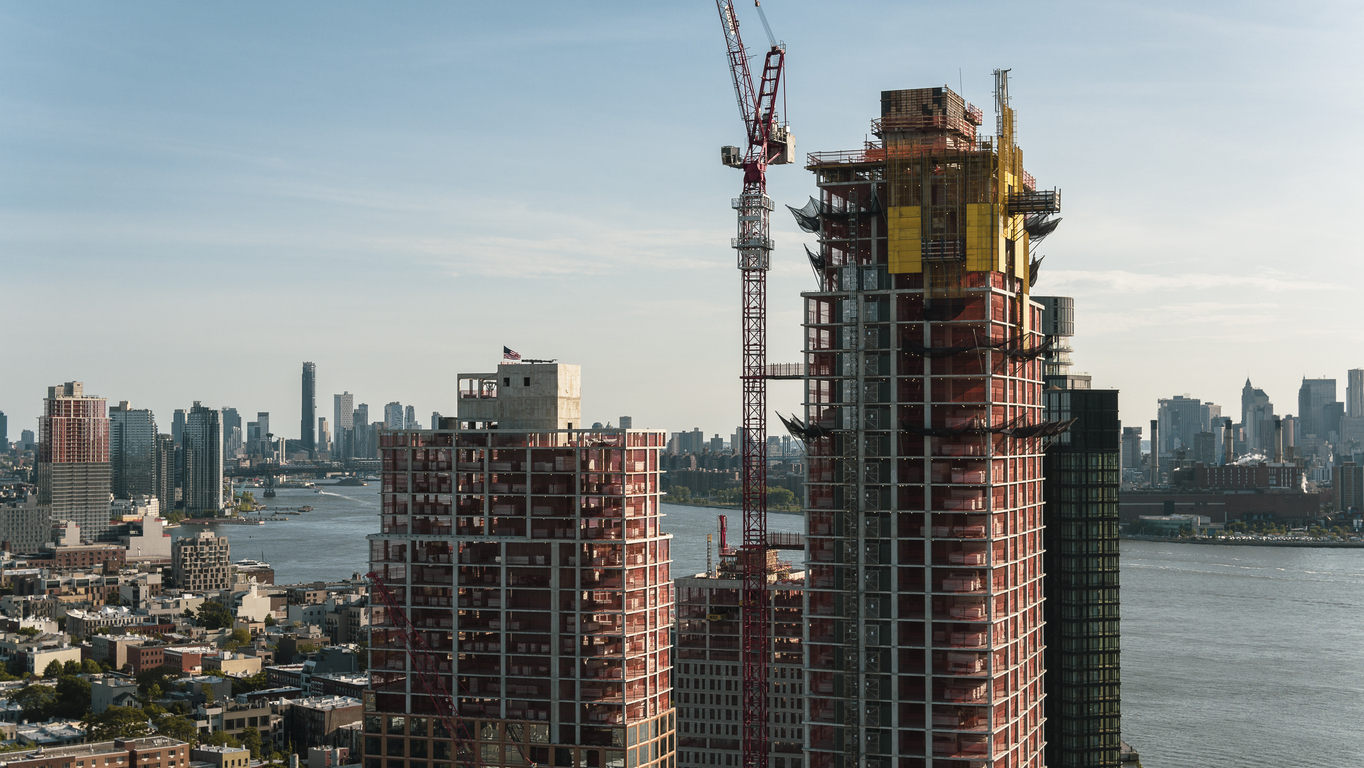
New development doesn’t automatically hurt resale value but it changes how, when, and at what price your home sells, especially near transit hubs and rezoned corridors across Brooklyn, Manhattan, and Queens.
The big picture: NYC is adding supply but not evenly
Across NYC, tens of thousands of new residential units are approved or underway, but they’re highly concentrated:
-
Brooklyn leads the city in permitted and planned units, particularly near Downtown Brooklyn, Atlantic Avenue, Fort Greene, Crown Heights, and Bedford Stuyvesant. There is also a ton of activity in Flatbush and Prospect Lefferts Gardens.
-
Manhattan is seeing a wave of office to residential conversions, primarily in Midtown and Lower Manhattan.
-
Queens is absorbing large scale new development in Long Island City, Forest Hills, and along major corridors like Queens Boulevard.
For sellers, this means your competition isn’t “the market”, it’s the specific new product buyers can choose instead of your home.
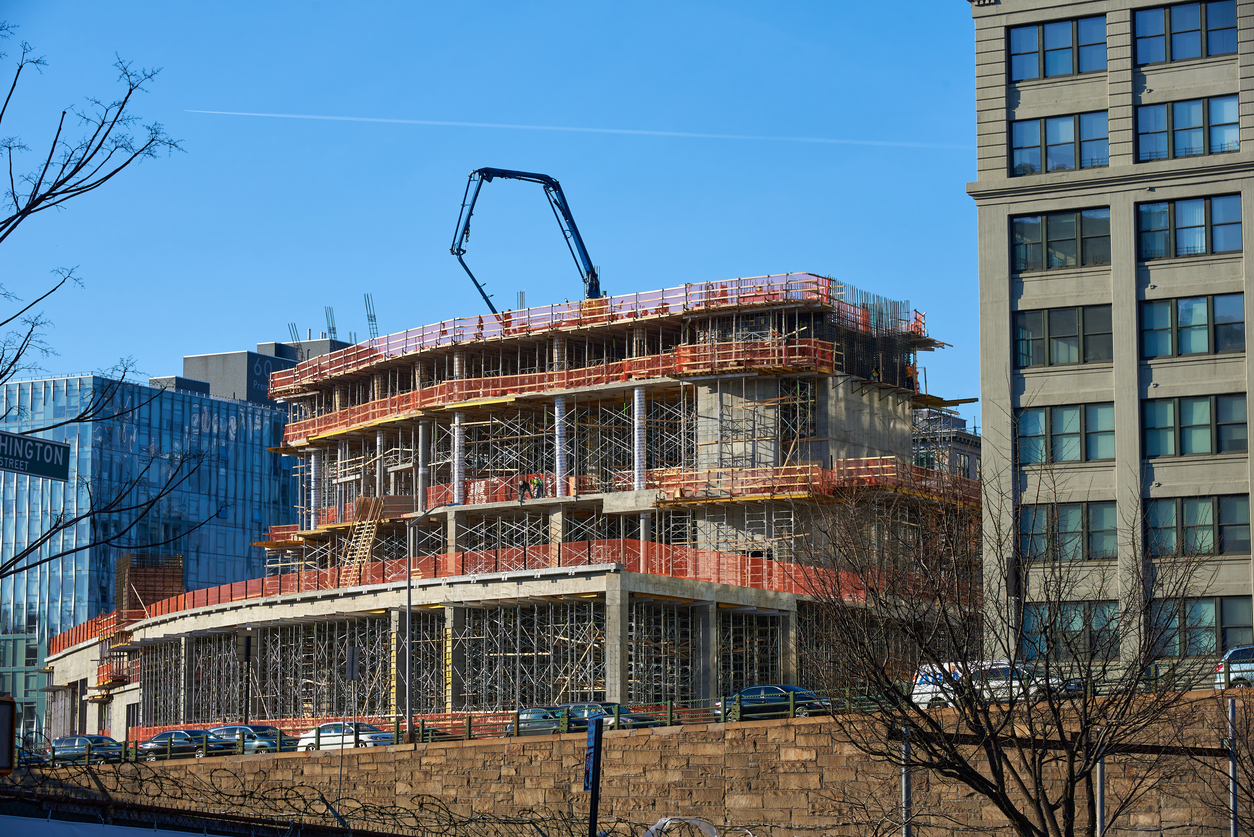
Brooklyn: Where new development helps and hurts resales
Brooklyn sellers are most affected by rezoning and mixed use growth.
What’s happening
-
Large rezoning’s (like Atlantic Avenue) and transit oriented projects are unlocking thousands of new units.
-
Downtown Brooklyn, Fort Greene, and central Brooklyn neighborhoods are seeing high rise and mid rise deliveries.
-
Many projects include new condos and rentals with modern finishes, amenities, and incentives.
How this affects resale value
-
Well located resales still benefit from demand, but buyers are more selective.
-
Older condos and coops now compete directly with brand-new inventory offering:
-
Lower maintenance (initially)
-
Amenities (gyms, roof decks, lounges)
-
Developer incentives (closing credits, rate buydowns)
-
Seller takeaway:
If your Brooklyn home is older or lacks updates, pricing to “test the market” is riskier than it was two years ago. Buyers now have a visible alternative.
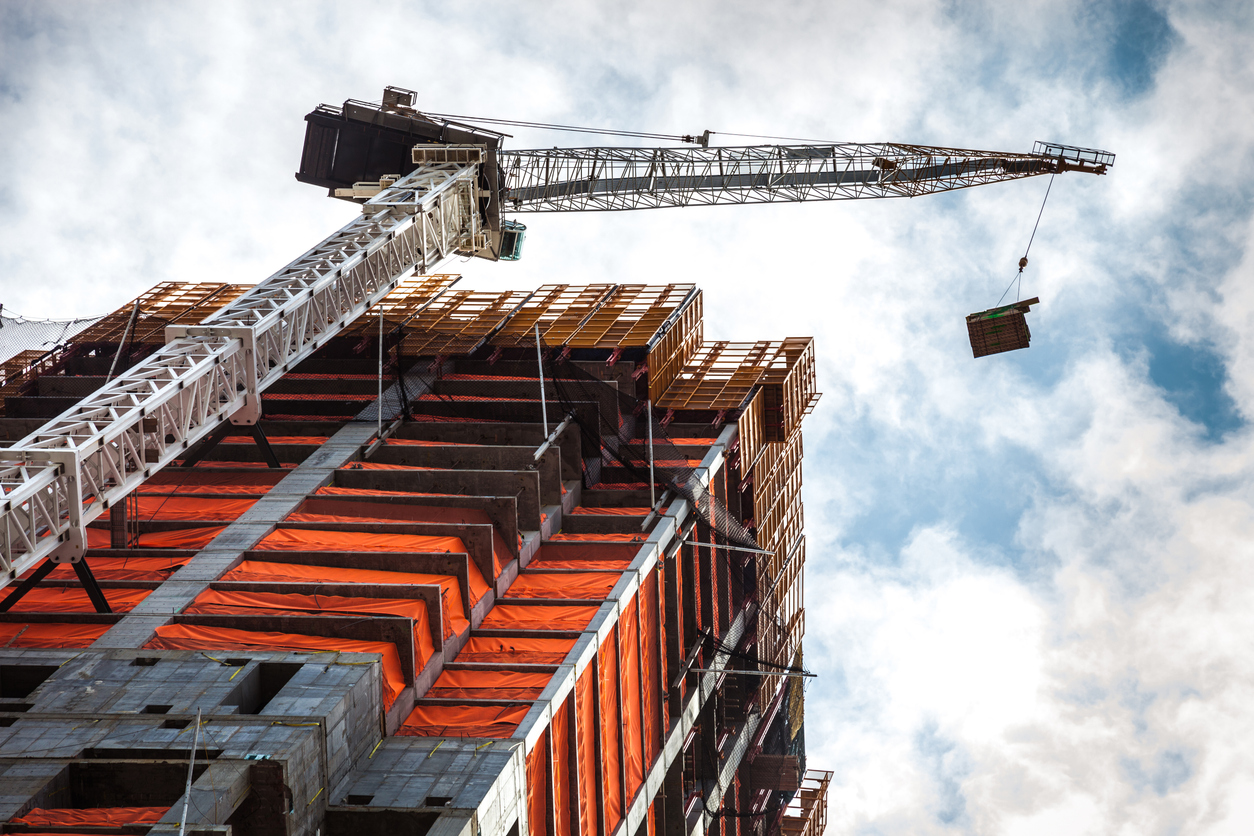
Manhattan: Conversions change buyer expectations
In Manhattan, the story isn’t ground up towers, it’s conversion supply.
What’s happening
-
Dozens of office buildings are being converted into residential use.
-
Most new units are studios and one bedrooms, often priced competitively.
-
These projects cluster in the Midtown and Downtown corridors.
How this affects resale value
-
Coops and condos in similar price ranges face pricing pressure, not collapse.
-
Buyers expect modern layouts, HVAC, and finishes even in resale units.
-
Luxury properties remain insulated, but mid market units face longer days on market if overpriced.
Seller takeaway:
You don’t lose value just because conversions exist but you lose leverage if your pricing ignores them.
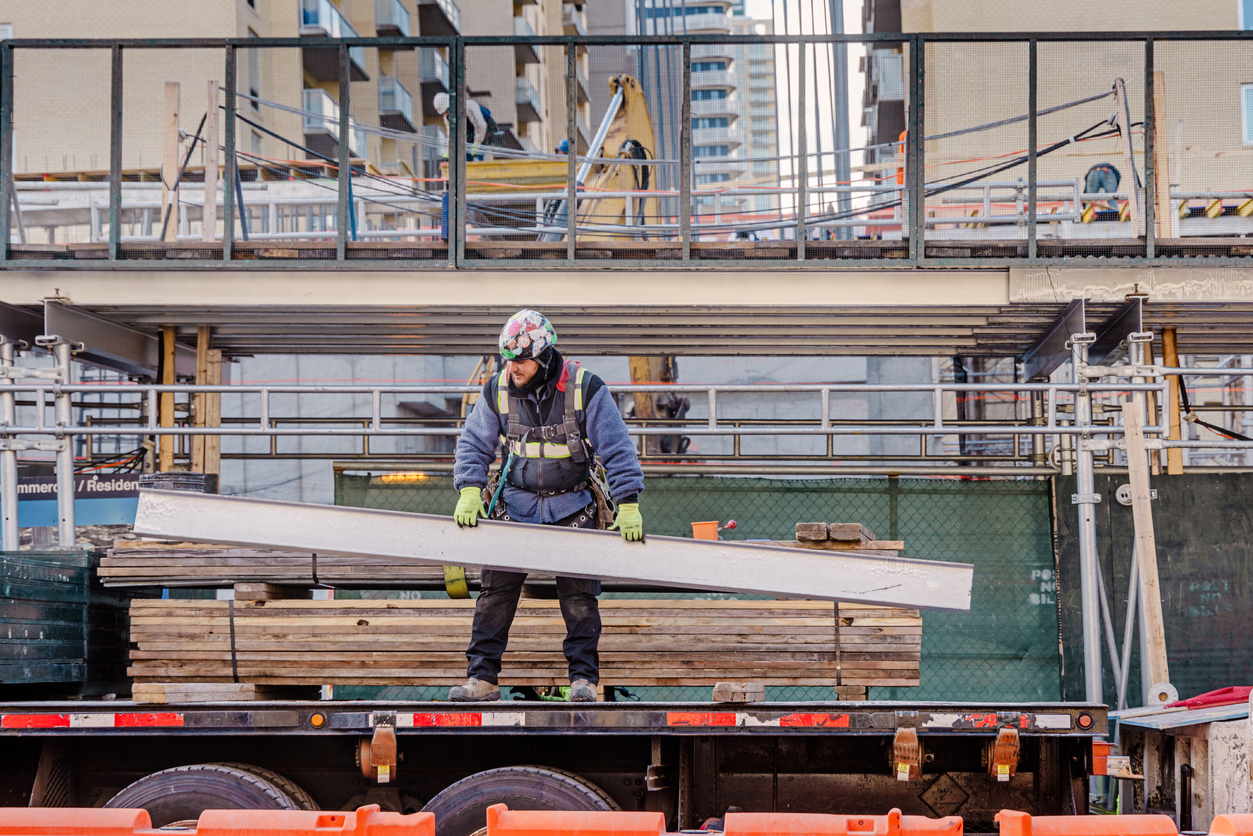
Queens: New development reshapes local price ceilings
Queens sellers see the clearest before and after impact from new development.
What’s happening
-
Long Island City and Forest Hills continue adding significant condo and rental inventory.
-
Transit adjacent developments attract buyers who might otherwise shop resales nearby.
How this affects resale value
-
New development often sets a new price ceiling.
-
Resales priced too close to new build pricing tend to stall unless they clearly outperform on:
-
Size
-
Layout
-
Monthly costs
-
Location within the neighborhood
-
Seller takeaway:
In Queens, buyers compare very literally. If your resale doesn’t justify its price relative to new construction, time on market increases.

How smart sellers win despite new inventory
Successful sellers in 2026 are doing three things consistently:
1. Pricing against real competition
Not just past resales but:
-
Active new developments
-
Recent contract activity
-
Buyer incentives offered nearby
2. Positioning clearly
Answering the buyer’s silent question: “Why should I buy this instead of that new building?”
That might be:
-
Lower monthly costs
-
Larger square footage
-
Better light or layout
-
Prime block or school zone
3. Timing matters more than ever
Launching before major new deliveries hit or pricing aggressively when they do can be the difference between selling quickly and chasing the market.

The bottom line for NYC sellers
New development and rezoning are not reasons to panic but they are reasons to be precise. If you’re selling in Brooklyn, Manhattan, or Queens, the question isn’t “Is new development coming?” It’s “How does it change what buyers will pay for my home?” That’s where strategy, not headlines, determines your result.
Thinking about selling?
If you would like an honest assessment of how new development in your neighborhood affects your pricing, timing, and strategy, I’m happy to walk you through it. The right plan makes all the difference in a market that’s changing block by block.